
How to Spot A Fake Facebook Profile

It’s a real shame that we even have to write this post, but with more and more fake Facebook accounts being created, we thought it might be helpful to give you some tips on how to spot one.
We run many Facebook groups and are approving/declining requests to join all the time. We come across hundreds of profiles every week, and see the signs when a profile might not be real.
Of course, there are some profiles which have been hacked, so they look real – because they used to be! But for those which have been created as fakes right from the start, here is some advice on where to look for clues that they might be fake.
Remember, however, these are not fail safe tests. The things that we discuss might all be absolutely fine in isolation. However, the more of these things that you spot on one profile, the more likely it is that it’s fake.
The below examples and screenshots have been purposely cut so that people’s actual profiles can’t be viewed. We don’t want anyone being targeted unjustly.
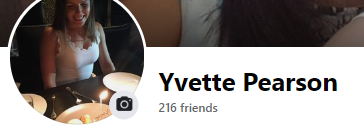
How Many Friends Do They Have?

Having a very few number of friends can mean that the profile is really new. It can also mean that, if the profile was hacked, the real friends have unfriended the profile. You should be able to see this number in the main profile. A fake Facebook profile will often have very few friends.
Their Name Doesn’t Match Their URL

Using my own personal profile as the example here, you can see that my display name matches the name in the URL. Of course, they might not match exactly – especially if someone has a nickname, or has changed their name after marriage. However, if they are completely different, this should be a red flag.
The Location Doesn’t Make Sense
Take this below example. The address is in Australia, yet they have a UK mobile phone number and email address. This specific screenshot was taken from a business page rather than a personal profile – so I would have expected these to match. If it were a personal profile, perhaps the person simply hasn’t updated their location after moving house. Either way, it’s one to check.

Other Red Flags
Other red flags to look out for when checking someone’s Facebook page or profile are:
- Profile picture. It can be a red flag if the profile photo is clearly and obviously not the person – for example, if it’s a celebrity or some kind of stock photo. Of course, some people will have their pets or children as their profile photos, and some people heavily restrict who can see their profile photos. However, if it’s a business page, it definitely shouldn’t be a celebrity or anything obscure. You can actually do a reverse image search on Google to see if the profile photo is a generic image that they have copied from the internet.
- Activity. If the person has very little activity on their profile, this can also be signs of something not being quite right. As with the profile picture, it could simply be that they have all the restrictions on to stop people from seeing what they post on their personal profile, but it can still be a red flag.
- Unusual or poor language. Fake Facebook profiles will often use automation tools for their communications so the spelling or grammar can be poor. Of course, some people have communication difficulties, but you can normally tell if it’s a bot you are speaking with once you’ve asked a few questions. Also, if you see the same things repeated over and over again (like pictures or quotes) this is a sign that they are being posted by a bot.
Overall, all these things in isolation could be perfectly fine. However, if you think that anything feels wrong, do a little more checking. If you’re still not convinced that the page or profile is real, do not hand over any money or click on any links that they might have sent you. It’s always better to be safe than sorry.
If you know of any more things which could be used to spot a fake Facebook profile or page, please do add them in the comments.

