
First Fair Jitters
Participating in your first craft fair can be an exciting but nerve-wracking experience. Here are some pieces of advice to help you manage your first fair jitters:
1. Plan and Prepare Ahead of Time:
- Start preparing well in advance. Make a checklist of everything you’ll need, from your products and display materials to payment methods and marketing materials. You could head down to your local craft fair and speak to stallholders there to see what they take with them.
- Create a timeline to ensure you have enough time to make your products and get everything ready for the fair. You might need to buy a table, or source materials for you to make enough items.
2. Research the Event:
- Learn as much as you can about the craft fair you’ll be attending. Understand the audience, the type of products that sell well, and the layout of the venue. If it’s a fair which has taken place before, ask the organiser for some pictures of the previous event. You could even ask which stallholders were there and ask them how they got on.
3. Practice Your Setup:
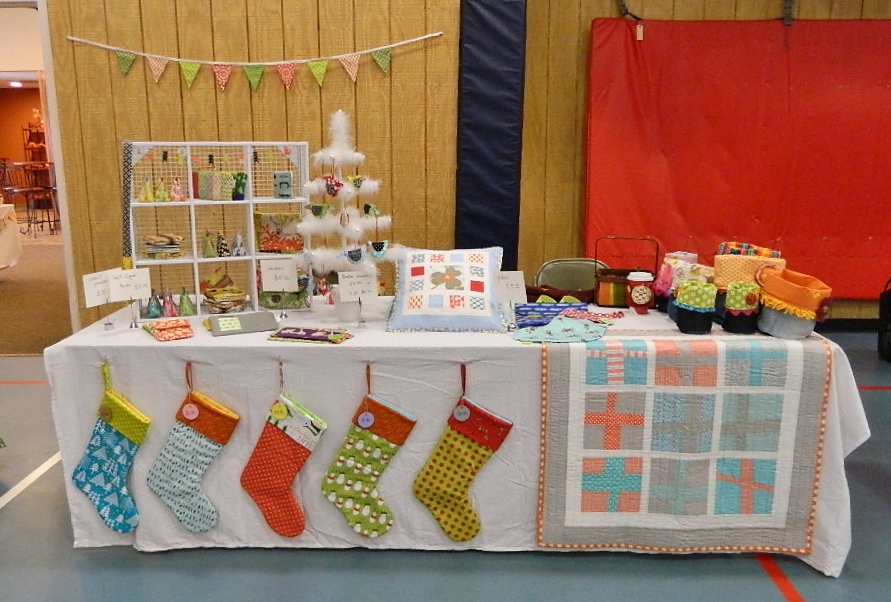
- Before the event, set up your booth at home to ensure everything fits and looks good. This will help you feel more confident when setting up on the day of your first fair. Take a photo of the setup once you’re done so that you can check back to it on the day.
- If you have a table that you are taking with you, check that you are able to put it up and take it down by yourself (if you are attending alone), also that it’s not too heavy for you to carry to/from your car or transport.
4. Bring Essentials:
- Pack essentials like water, snacks, a first-aid kit, and any personal items you may need. Being prepared can reduce stress during the event.
- If you are accepting cash payments, make sure you have some change with you. It’s a good idea to round up your pricing to the nearest 50p or £1 so that you don’t need to think about lots of change.
5. Engage with Attendees:
- Smile and be friendly. Engage with attendees who show interest in your products. It’s not just about making sales but also about building relationships with potential customers. Also, no-one likes it when stallholders are sat down on their phones all day. It makes them look very unapproachable.
- Ask people at your stall what they like or don’t like, or what they are planning on doing with your item if they are buying one. Is it a gift? If it’s a candle, where are they going to put it? Note all this down as it will help you grow your business in the future.
6. Price Your Items Right:
- Do some market research to determine appropriate pricing for your items. Be prepared to negotiate – especially if you are saving on postage, or the customer is buying several items. But stand firm on prices that are fair for you – don’t feel like you have to make a loss just because someone is asking.
- If you are able, have a look at someone who might be selling something similar to you at the fair. There might be one or two (depending on the size of the fair) and if you are considerably more expensive (even if your products are significantly higher quality) you might suffer because of it.
7. Accept Different Payment Methods:
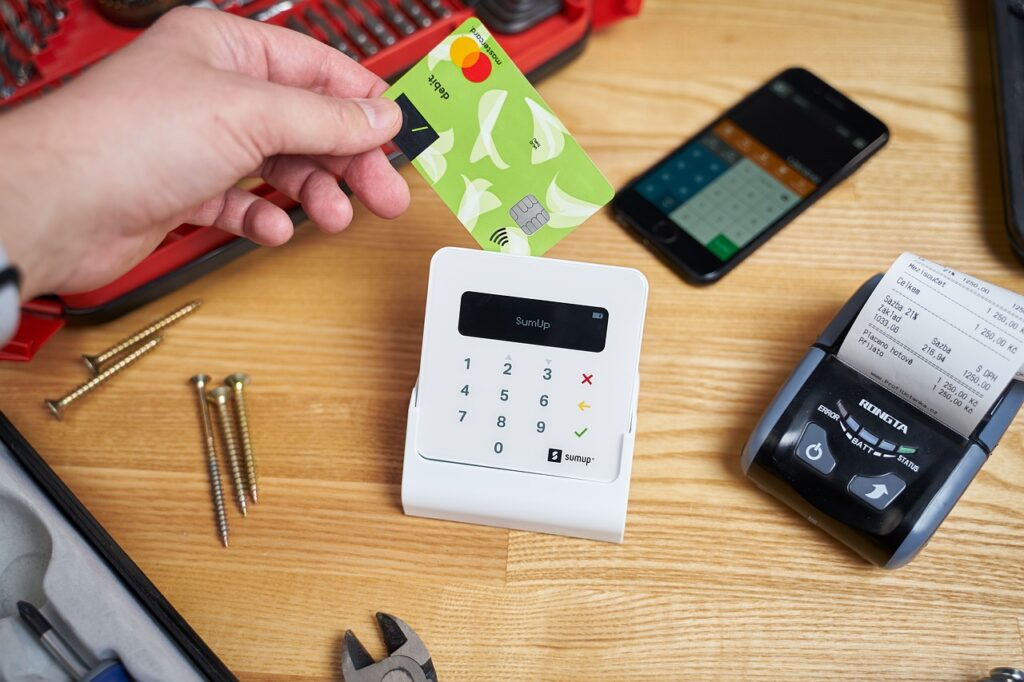
- Have a variety of payment options available, including cash, card payments, and digital payment methods like PayPal or SumUp. This makes it easy for customers to buy from you. The last thing you want is to lose a customer because you weren’t able to take their payment.
8. Promote Your Booth:
- Use social media and other marketing channels to let people know you’ll be at the craft fair. Share sneak peeks of your products and booth setup to generate interest.
- If you have a mailing list, let them know that you will be at your first fair and that you would love to see them there.
- Craft fairs only work when everyone helps to promote. Yes, the organiser should be playing their part and advertising locally, but it’s the responsibility of everyone to promote it. After all, everyone benefits when there are lots of customers there!
9. Network with Other Stallholders:
- Craft fairs are an excellent opportunity to connect with other stallholders. You can learn from their experiences and even collaborate on future events. They could even be future customers, as you could be customers of theirs.
10. Stay Positive and Adapt:
- Understand that not every fair will be a smashing success. There may be slow periods or unexpected challenges. Stay positive, adapt, and consider each fair a learning experience.
- Not every bad fair is the fault of the organiser. Sometimes there are things which happen that are out of their control – like bad weather or traffic jams. Remember they have had costs too, before you assume you will get some kind of refund if the fair was a poor turnout.
11. Have a Backup Plan:
- Prepare for unexpected situations, such as bad weather (if it’s an outdoor event), technical issues, or running out of certain products. Having a backup plan can reduce stress.
- For example, if you
12. Evaluate and Learn:
- After the craft fair, take some time to evaluate your performance. What worked well? What could be improved next time? Use this feedback to refine your approach for future events.
- Write everything down, as you are likely to forget it if there is a gap between your first fair and your next one.
Remember, it’s normal to feel nervous before your first craft fair, but with proper preparation and a positive attitude, you can turn those jitters into a successful and enjoyable experience. Good luck!
Comments
mood_bad
No comments yet.
