
7 Things To Find Out Before You Attend Your Next Craft Fair
When you are attending a craft fair, there are lots of things to think about. Some organisers are, well, organised. Others can be less so.
This is why it is so important that you are prepared and know what you need to know.
1. Has the organiser done this event before?
If they have done it before, you could try and search on social media for any photos of previous events to get a better feel of what it’s going to be like. You might even have a chance to go to one of their events and speak to some of the stallholders. Ask them if they are having a good event. Ask them about the sign up process.
Just because they are first-timers, doesn’t mean that the event won’t be good, but it’s important to be thorough in your research.
2. How will the event be advertised?
It’s important to know how much effort the organiser is prepared to go to in order to make it a success. Of course, a successful event can never be guaranteed, but you need to know that the organiser is doing everything they can.
Have they listed the event on the Bookastall directory? Perhaps that’s where you found the event in the first place.
Are they posting on any other social channels, such as Instagram or TikTok? How many followers do they have?
Are they doing any kind of local advertising in the area? Perhaps there are signs up near the venue. If the event is at a school or church, has the event been placed on their noticeboard or emailed out to pupils/members?
Also, is the organiser encouraging you to advertise the event to your own following as well? If they are, then they are likely asking all the other stallholders to do the same – which is great news.
3. What is the access like?
Parking or delivery access is likely to be important, so make sure you have this information well in advance. If you have to park a little way away (which isn’t uncommon), you might need to consider getting a sack barrow to make it easier to take your stock from your car to the venue.
Some parking could be restricted, especially if you are in a town centre, so it’s really important to check this out.
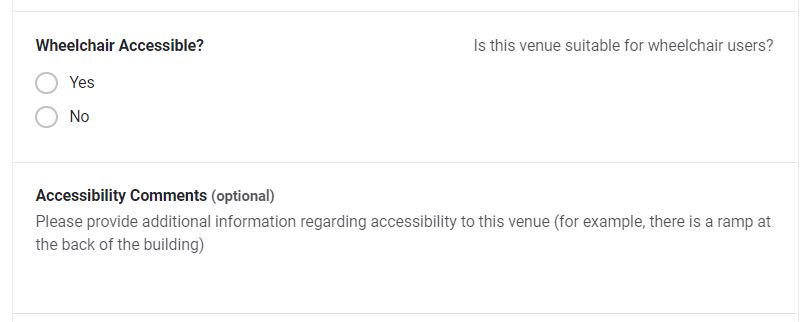
As well as access for taking your items to and from the venue, you might need to consider disability access. If you use a wheelchair or walking aids, or even if your items are particularly heavy, you will need to check whether the venue has the access you need. Bookastall event listings give event organisers the opportunity to share this information for you
4. What is included in the cost of the stall/pitch?
Make sure you know if a table is included, or whether you should bring your own. Also, make sure you know either the size requirements for one you bring yourself, or the size of the one you will be borrowing. You don’t want to turn up with a table that doesn’t fit in the space.
If you need electricity, you should definitely be checking this beforehand. Some event organisers might charge a little extra for spaces which have access to electricity. Even if they don’t, there’s a good chance that only a few of the spaces will be close to power.
Bookastall listings allow event organisers to be clear what is and isn’t included. There is a section for organisers to add in anything which is included in the cost of the stall.
5. Is it indoors our outdoors?
The last thing you want to do is turn up and not realise that the event is outdoors. Or spend money on an expensive gazebo, only to realise that it’s not needed. You also need to make sure you are dressed for the elements if needed
In addition to this, if you are an outside-only stallholder (perhaps you are a food cart) you want to be able to search for outside-only events. You might want to only sell indoors. Bookastall’s filters allow you to do this to make sure you don’t waste time applying for events that you wouldn’t want to go to.
6. How many other crafters selling similar items will be there?
A lot of event organisers will limit the number of people at their events who are selling similar things. That means they might only allow one card maker, one jewellery maker, etc. But some don’t and you could potentially turn up at an event and be the fourth person selling crocheted blankets.
This is always worth checking to make sure you don’t end up competing for the same customers. It does no-one any favours, and it can cause friction amongst stallholders.
The best thing you can do is to check this before you send over any money.
7. Are they charging an entry fee?
Charging an entry fee isn’t always a bad thing. However, if you are going to be promoting the event to your friends, family, and customers you need to be up front to them as to whether it’s going to cost them anything to enter.
The good news is, people who pay to enter an event REALLY want to be there. This means that they are even more likely to buy something. However, it can mean a lower footfall, so make sure you take that into consideration.
Having an entry fee should mean that visitors get something extra for coming. It could be a cupcake, or listening to a live band. Simply charging someone £1 to enter a small venue, is likely to be off-putting to a lot of people. But it’s not always a deal breaker.
The main thing is to consider the things which are important to you as a stallholder, and make sure you check them all with the organiser.

